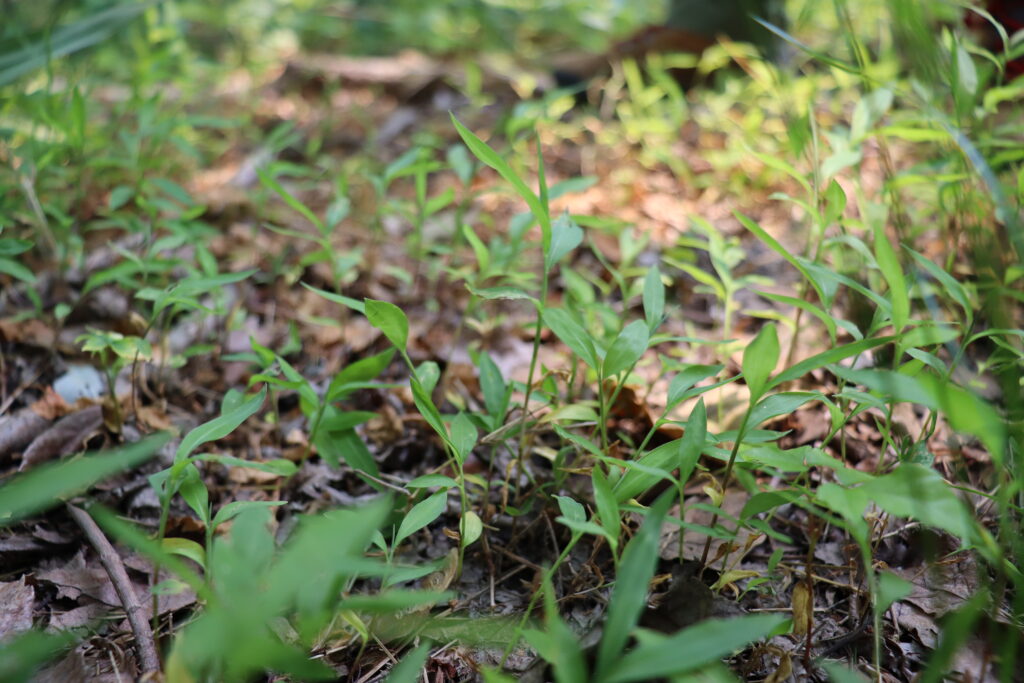
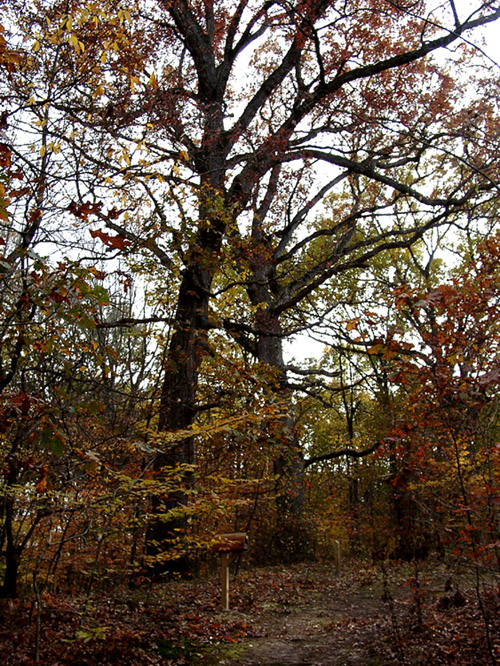
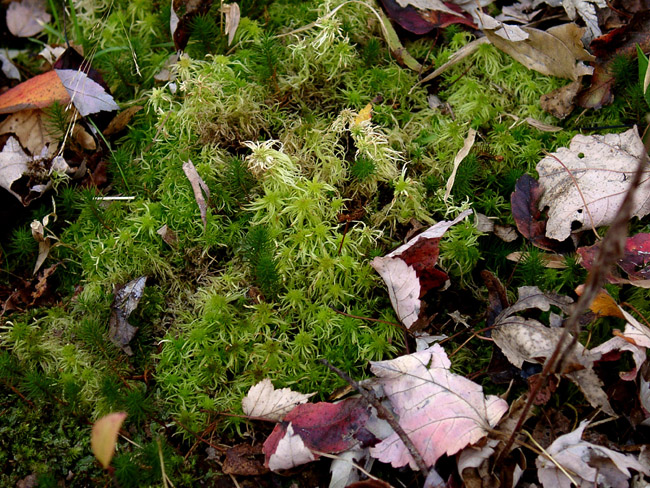
CERA is located on the UMBC campus and near sites you may already be familiar with on campus.
Directions to CERA
The bridge leading to the trail’s entrance is searchable on Google Maps as “The CERA Trail”. You can also use the directions listed below, with links to Google Maps, as a guide.
- Start at Admin Circle, also known as “Welcome Circle”, adjacent to Administration Drive Garage.
- Follow the sidewalk parallel to the garage and along Hilltop Circle.
- Turn right at the crosswalk to cross Hilltop Circle.
- Turn left and continue down the sidewalk along Hilltop Circle.
- Stay to the right to follow the sidewalk toward the wooden bridge; at the bridge you will see a sign for “Herbert Run Greenway”.
- Follow the bridge into Research Park (everything you pass to the right of the bridge is the smaller section of CERA).
- Walk through the research park and cross Research Park Drive.
- Walk towards Herbert Run Greenway signage and enter the pathway leading into the woods (you are now entering the larger section of CERA).
- Follow the path into CERA; the yellow blazes mark the Herbert Run Greenway and the white blazes mark the CERA Interpretive Trail.
CERA Map
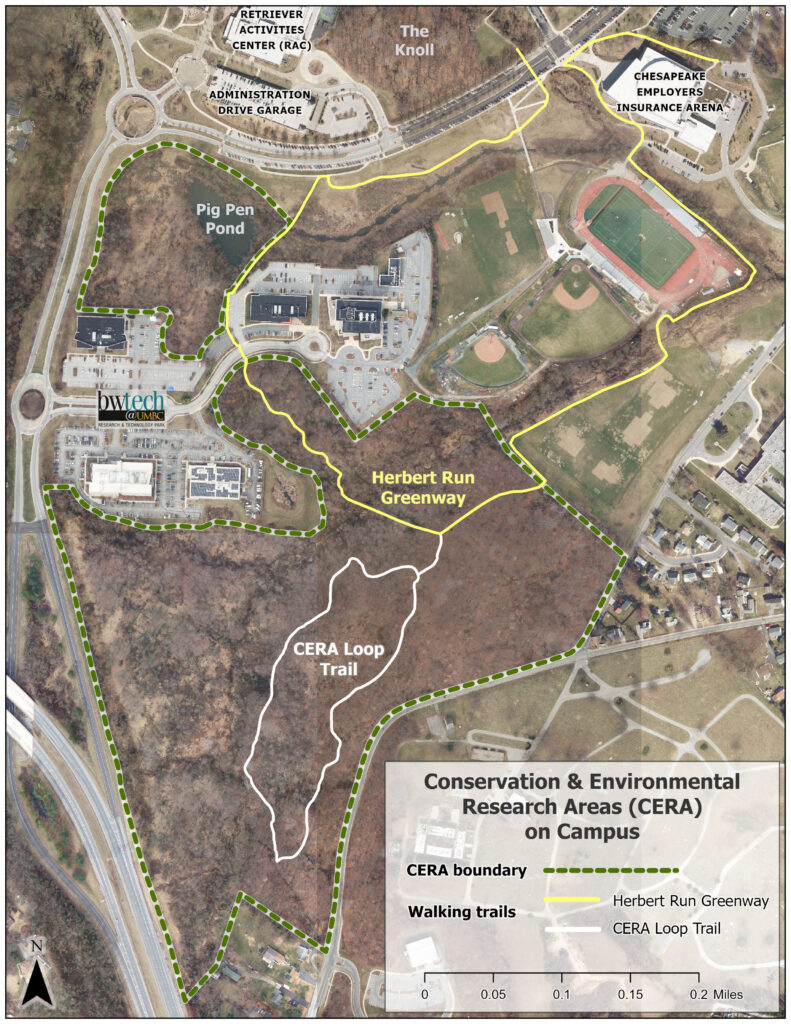
Explore CERA Interpretive Trail
CERA Rules
Please do not disturb or remove anything from CERA. “Take only photographs; leave only footprints.”
CERA Safety
Stay on the Trail!
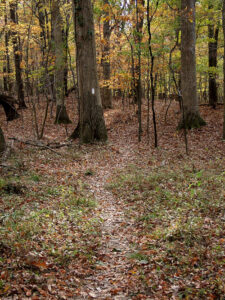
Blazes, or painted rectangles on trees, are used along the trails in CERA to mark the path. Yellow blazes mark the Herbert Run Greenway trail and white blazes mark the CERA Interpretive Trail.
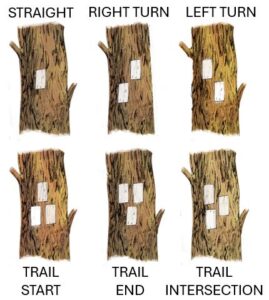
Blaze placement is meant to tell you the direction the trail is taking.
For example, a single blaze means the trail continues straight, while two blazes next to each other can mean the trail turns either left or right.
Watch out for Poison Ivy!
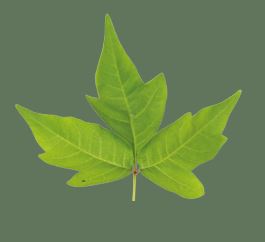
Poison ivy is a woody vine that can be found within CERA. Poison ivy can cause a skin rash that can be very itchy and painful. A common saying people use to remember how to identify poison ivy is “Leaves of three, let it be!”
The entire plant (leaves, stems, and roots) is poisonous, so you want to avoid touching any part of the poison ivy plant.
You can protect yourself by (1) staying on the trails, (2) wearing long sleeves, pants, and tall socks, and (3) knowing what poison ivy looks like so you avoid coming in contact.
Poison ivy usually looks like a woody vine that grows on trees, but it can also grow not on trees and can look pretty different depending on the age of the plant. This can make it hard to identify. Check out this picture gallery to learn how to identify poison ivy.
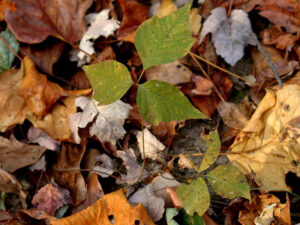
Poison ivy has three leaves growing out of one stem that connects to a vine. The vine can grow on the ground or on other plants, like trees. The edges of leaves can be fairly smooth (like this picture), but also can be wavy, lobed, or toothed.
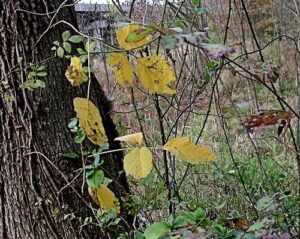
The leaf color can change depending on the season. Poison ivy leaves are usually green in the spring and summer and can turn colors like yellow or red in the fall.
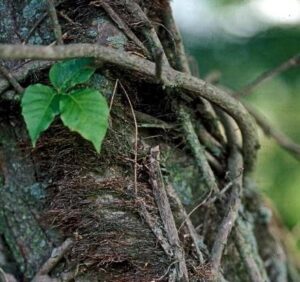
A poison ivy vine can look different depending on the age of the plant. Older plants have thick, hairy vines. Vines also grow branches that can look like tree branches.
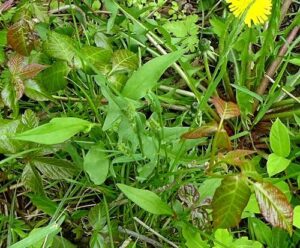
Another way to identify poison ivy is the plant leaves can be shiny. In this photo, the shiny reddish and green leaves in the top left and bottom right is a poison ivy plant.
This information was borrowed from the University of Maryland Extension. You can use the Extension resources to learn more:
Be Tick Smart!
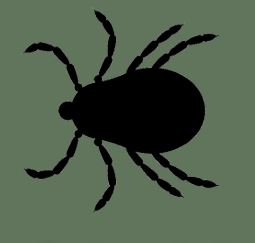
Ticks are small animals that like can be found on leaves or grasses and can attach themselves to your skin by biting you. You can protect yourself from ticks by (1) staying on the trails, (2) wearing long sleeves, pants, and tall socks, and (3) checking for ticks after returning from your walk.
CERA Pictures